


The Enduring Romance of Lace Gowns
- Sarah Smith
- Jan 14
- 3 min read
Few elements in bridal fashion carry the romance, history, and artistry of lace. From royal weddings to modern minimalist ceremonies, lace wedding gowns have remained a symbol of elegance and femininity for centuries. While trends come and go, lace continues to evolve—adapting to contemporary silhouettes while preserving its classic allure.
A Brief History of Lace in Bridal Fashion
Lace dates back to the 15th century, originally handcrafted and reserved for aristocracy due to its labour-intensive creation. By the Victorian era, lace had become deeply associated with weddings, largely influenced by Queen Victoria’s 1840 wedding gown, which featured exquisite Honiton lace. Her choice helped popularize white wedding dresses and cemented lace as a bridal staple.
Over time, advances in textile production made lace more accessible, allowing designers to experiment with patterns, textures, and applications. Today, lace gowns range from traditional heirloom-inspired designs to bold, fashion-forward statements.
Types of Lace Commonly Used in Wedding Gowns
Not all lace is created equal, and each type brings a distinct personality to a gown:
Chantilly Lace: Known for its fine threads and delicate floral patterns, Chantilly lace feels soft, romantic, and lightweight—ideal for flowing silhouettes and ethereal designs.

Alençon Lace: Often called the “Queen of Lace,” this French lace features bold motifs outlined with corded embroidery, making it perfect for structured gowns and dramatic details.

Guipure (Venise) Lace: Heavier and more graphic, guipure lace has no net background, resulting in striking patterns that suit modern or bohemian styles.

Crochet Lace: Frequently associated with vintage or boho gowns, crochet lace has a handcrafted, relaxed charm.
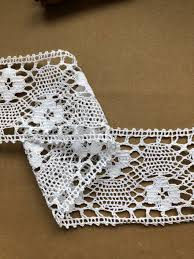
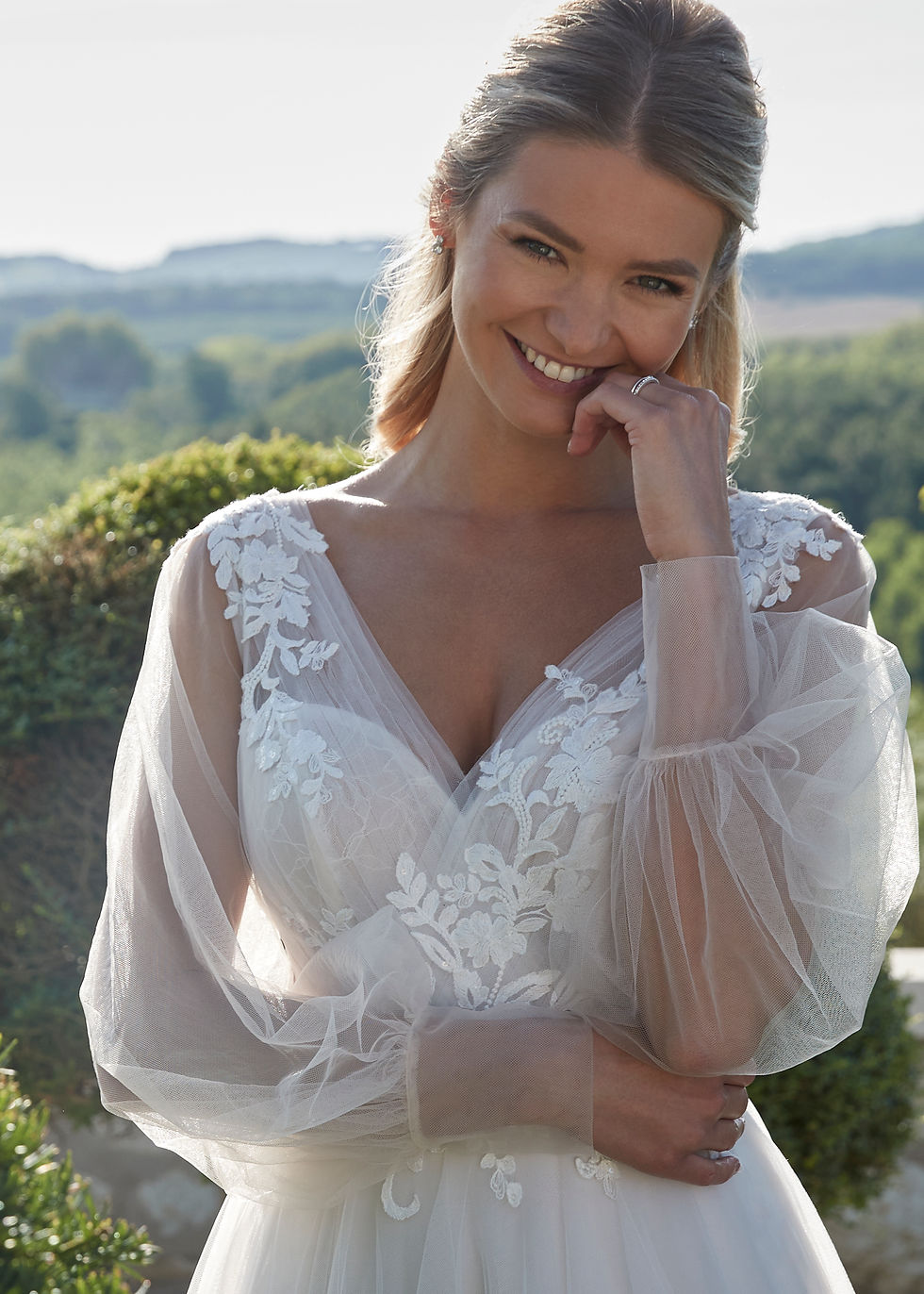
Illusion Lace: Lace appliqués placed on sheer tulle create the appearance of lace floating on the skin, often seen in necklines, backs, and sleeves.

Understanding these variations helps brides choose a lace that complements both their personal style and the overall wedding aesthetic.
Lace and Silhouette: A Perfect Partnership
Lace adapts beautifully to nearly every gown shape:
Ball gowns use lace to soften voluminous skirts and add dimension to bodices.

Dani by Phoenix Gowns A-line dresses strike a balance between structure and flow, allowing lace to shine without overwhelming the silhouette.

Robyn by Romantica Collections Mermaid and fit-and-flare gowns highlight the body’s curves, with lace enhancing drama and texture.

Annalise by Phoenix Gowns
Sheath dresses often rely on lace for visual interest, especially in minimalist designs.

Grace by Phoenix Gowns
Whether covering an entire gown or used sparingly as an accent, lace has the ability to transform a simple shape into something unforgettable.
Modern Trends in Lace Wedding Gowns
While lace is steeped in tradition, modern designers continue to reinterpret it in fresh ways. Current trends include:
Mixed lace patterns for depth and contrast
Bold, oversized motifs that feel artistic and contemporary
Illusion backs and sleeves that add subtle sensuality
Unlined or lightly lined bodices for a fashion-forward edge
Colour variations, such as ivory-on-nude or blush underlays, creating warmth and dimension
These updates allow brides to embrace lace without feeling overly traditional.
Styling a Lace Wedding Dress
Because lace is inherently detailed, styling should enhance rather than compete with it. Simple jewellery often works best, letting the gown take centre stage. Veils can either complement the lace—by matching patterns—or provide contrast with sheer tulle. Hairstyles also play a role: an updo highlights intricate lace backs, while soft waves pair beautifully with romantic lace sleeves or necklines.
Footwear and accessories can further define the look, whether that means classic satin heels for a timeless feel or embellished sandals for a bohemian celebration.
Why Lace Continues to Captivate
Lace wedding gowns endure because they offer something deeply personal. No two lace patterns are exactly alike, and the craftsmanship involved gives each dress a sense of artistry and individuality. Lace manages to feel nostalgic and modern at once—connecting brides to tradition while allowing room for self-expression.
Ultimately, choosing a lace wedding gown is about more than fashion. It’s about texture you can feel, detail you can cherish, and a timeless beauty that carries meaning long after the wedding day has passed.


Comments